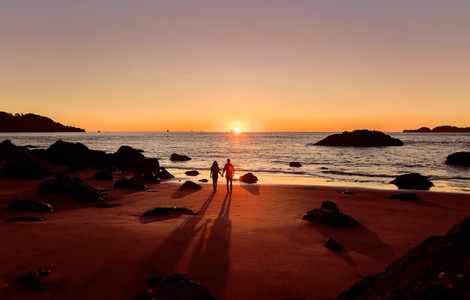
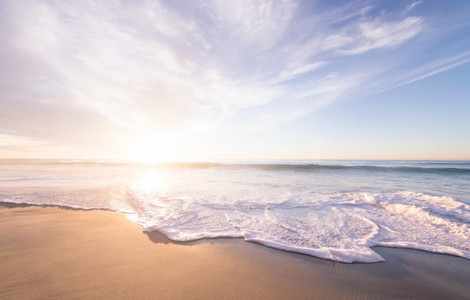
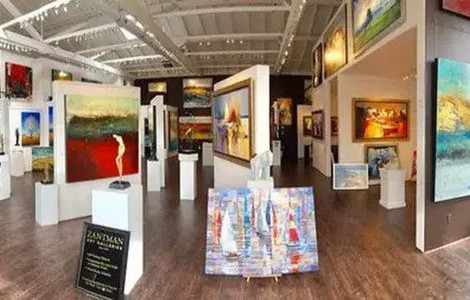
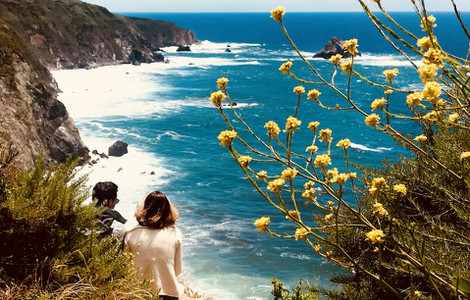
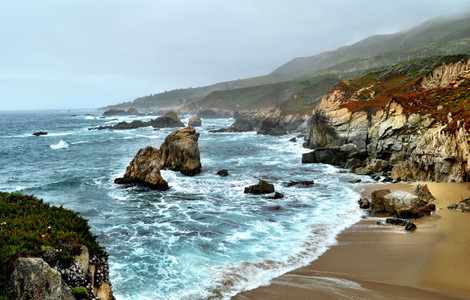
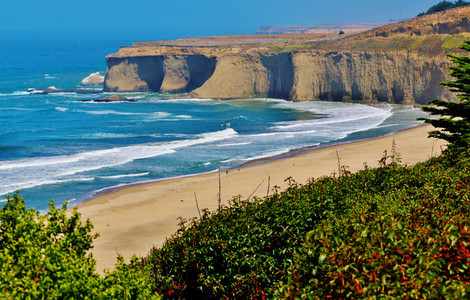
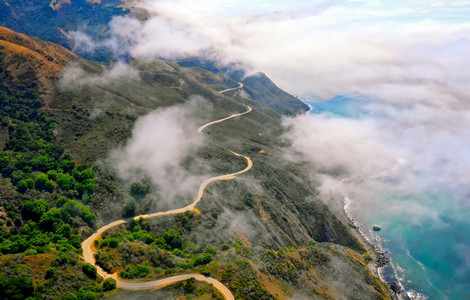
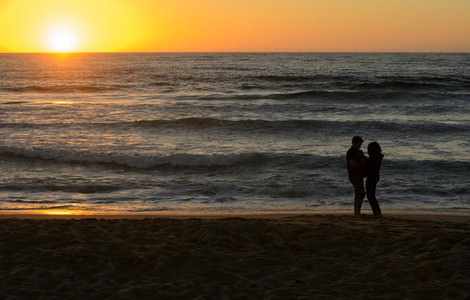
Known today as a world-class destination for art, culture, wine tasting, and breathtaking natural beauty and ocean views, Carmel-by-the-Sea has flourished since its humble beginnings more than four centuries ago. Our inn is steps away from dozens of the city's most celebrated sites and landmarks, which all reflect the area's history and inspirational growth. Enrich your next weekend trip to Carmel by getting a historical overview of our community on the Pacific Ocean.
Early Discoveries and the Establishment of the Carmel Mission
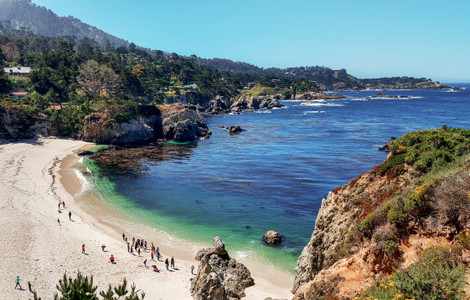
Traveling with three Carmelite friars in 1603, Sebastian Vizcaino, a Spanish explorer, stopped in Monterey Bay and discovered a stretch of beach at the mouth of a river, which he named "El Rio Carmelo" in honor of his companions. Almost two centuries after Vizcaino's discovery, Father Junipero Serra established the Mission San Carlos de Borromeo, Northern California's second mission, on a nearby hill. Know today as simply the Carmel Mission, it was the primary hub of Serra's nine missions in California, and it became his final resting place after his death in 1784.
The Carmel Mission was officially secularized in 1833, and over the following decades, it became a repository for colonial art and liturgical artifacts. The Mission had already become a significant Carmel-by-the-Sea attraction by the end of the 19th century, captivating hundreds of tourists who arrived in Monterey via the newly installed railway system. Still an active Parish today, the Carmel Mission remains one of Carmel's most treasured destinations for history, art, and education.
A Hometown Is Born
Throughout the late 1800s, several new developments helped to lay the groundwork for Carmel-by-the-Sea as it's known today. John Martin, a Scottish immigrant, purchased land and established a ranch and dairy on the Carmel River estuary in 1859, and by 1890, a few homes and a hotel had been built. In 1902, J. Frank Devendorf and Frank H. Powers started the Carmel Development Company with the hopes of building a town with an appeal that could rival that of the nearby seascape.
The pair started by planting a hundred cypress trees in the otherwise empty stretches of farmland along the coast. They then invited Michael J. Murphy, an established builder, to Carmel to begin developing homes. Murphy built his first home in the area that same year, and by 1940, he had constructed nearly 350 more buildings. His first home still stands today and acts as a welcome center, as well as the home of the Carmel Heritage Society.
Carmel Becomes a Progressive Haven
Artists, writers, and academics had already been quietly retreating to the California area for years, but the 1906 San Francisco earthquake and its resulting fires drove a new wave of creative refugees to Carmel-by-the-Sea. Fleeing the fallout from one of the most significant earthquakes of all time, artists and writers such as Jack London, George Sterling, and Robinson Jeffers found new homes in Carmel's tents and cabins. This Bohemian migration quickly established the town as a creative haven and an escape from the bustle of San Francisco.
By the time Carmel was officially incorporated as a city in 1916, it already boasted a population of around 450 people, including newly arrived artists such as Sinclair Lewis and Robert Louis Stevenson. It is even rumored that Stevenson drew inspiration from nearby beaches for his classic adventure novel Treasure Island. The then-small town's reputation as an artistic refuge would endure through the 20th century and into today.
Decades of Growth and Development
Having survived the struggles of two World Wars and the Great Depression, Carmel-by-the-Sea continued to flourish despite many hardships. Business activity heated up downtown in the 1960s and 70s, and artists and creatives kept returning to town as both guests and permanent residents. Carmel-by-the-Sea remained an important, if still secluded, artistic retreat in Northern California.
That is until it became known internationally in the 1980s.
In 1986, Hollywood star Clint Eastwood began a two-year stint as mayor of Carmel-by-the-Sea. The news naturally put the town in the global spotlight for a period, which was enough to transform it from a regional destination into a worldwide hotspot. Despite its newfound popularity, Carmel held strong to its values as a small-town, creative, and relaxed community.
Carmel's History Endures in the 21st Century
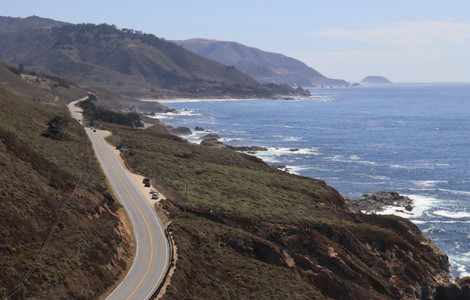
Today, Carmel-by-the-Sea remains a great American destination for creativity, with numerous arts and culture museums, studios, and festivals calling the city home. Residents have also taken care to preserve the area's natural beauty over the decades, which ensures that Carmel can continue to offer unique scenic drives and hiking opportunities.
And, of course, there are plenty of museums and sites to visit that celebrate the region's rich history and commitment to authenticity.
Frequently Asked Questions
When was Carmel-by-the-Sea founded and by whom?
Carmel-by-the-Sea was founded in 90 by developers James Franklin Devendorf and Frank Powers, who envisioned an artistic seaside community. The town quickly attracted writers, artists, and creative minds seeking inspiration along the California coast.
Why is Carmel-by-the-Sea known as an artists' colony?
In the early 900s, Carmel became a haven for artists, poets, and writers drawn by affordable living, stunning natural beauty, and a bohemian atmosphere. Notable residents included Jack London, Mary Austin, and photographer Edward Weston.
What makes Carmel's architecture so distinctive?
Carmel's fairytale cottages and storybook architecture reflect strict building codes that have preserved the village's quaint character since the 90s. By design, there are no street addresses, neon signs, or chain restaurants.
How has Carmel preserved its historic charm over the years?
The city maintains rigorous design guidelines, limits commercial development, and prohibits high heels without a permit (a quirky 90s law). This dedication to preservation keeps Carmel's village atmosphere intact.
Where can I stay to experience Carmel's historic character?
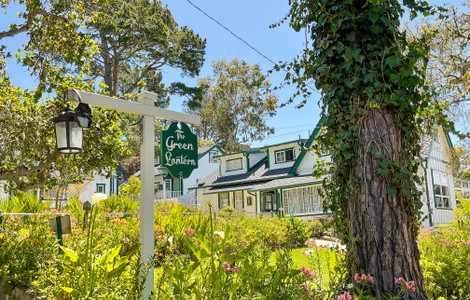
The Carmel Green Lantern Inn offers garden cottages just steps from downtown, providing an authentic Carmel experience surrounded by the same serene beauty that has drawn visitors for over a century.
Book Your Stay at Our Carmel-by-the-Sea Inn
When you plan a trip to Carmel-by-the-Sea, you'll get the chance to experience — in person — how this leading tourist destination came to be as renowned as it is today. The Carmel Green Lantern Inn in Carmel-by-the-Sea, is just minutes away from some of the city's most trafficked historical and cultural centers, including the Carmel Mission.
Contact us to learn more or to book rooms and suites for your next weekend trip to the Pacific coast.